
Insights · SaaS & product
AI Agents: How to Leverage Their Transformational Power in Your SaaS Applications
Discover a clear strategy to integrate AI agents into your existing SaaS applications, enhancing functionality and driving growth.
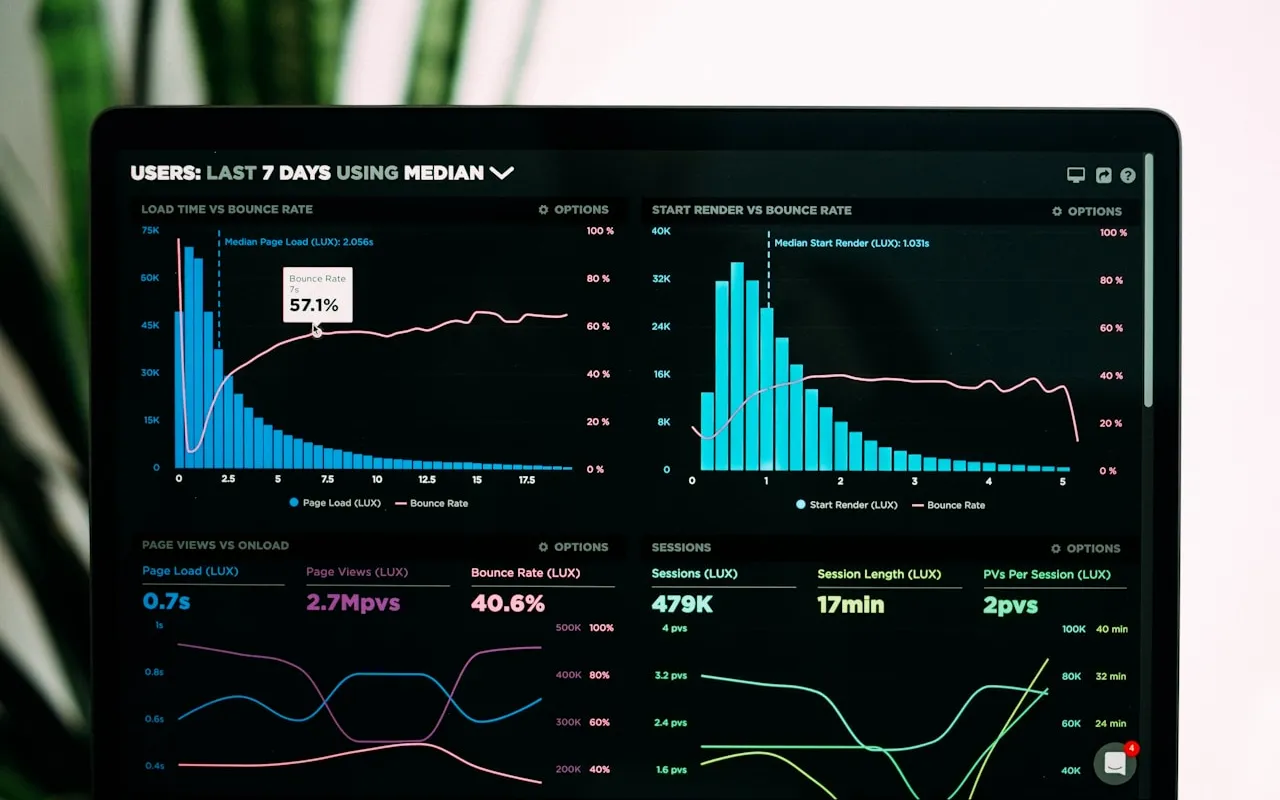
This playbook is for SaaS product managers and developers ready to integrate AI agents into their applications. You will gain a clear strategy to enhance functionality and drive growth through this integration.
Why This Matters Now
AI agents are revolutionizing the SaaS landscape by automating tasks, improving user engagement, and enhancing decision-making processes. Embracing this trend now will position your product ahead of competitors and meet customer expectations for advanced functionality.
The Problem in Practice
Today, many SaaS applications struggle with manual workflows, slow response times, and limited user personalization. Product managers and developers face challenges in integrating new technologies without disrupting existing systems or overwhelming users.
- Product managers often lack the technical knowledge to implement AI solutions effectively.
- Developers may find it difficult to integrate AI agents without clear guidelines or frameworks.
- Existing systems may not be designed to accommodate AI-driven functionalities, causing compatibility issues.
Step-by-Step Approach
- Define the specific use cases for AI agents within your application, such as customer support or data analysis.
- Evaluate your current tech stack to identify integration points for AI agents.
- Choose the appropriate AI frameworks or APIs that align with your use cases and existing architecture.
- Implement a pilot project to test AI agent functionality in shadow mode—monitor performance without full deployment.
- Gather user feedback and iterate on the AI agent's capabilities based on real-world usage.
- Scale the implementation of AI agents across your application, ensuring compatibility and user experience remain intact.
Decision Checklist
- Do you have clear use cases for AI agents in your SaaS application? (Yes/No)
- Is your existing technology stack flexible enough to accommodate new integrations? (Yes/No)
- Do you have access to the required data for training AI agents effectively? (Yes/No)
- Can you allocate resources for testing and iterating on AI agent functionality? (Yes/No)
- Is there a plan for user training and support during the integration phase? (Yes/No)
Common Mistakes
- Failing to clearly define the scope and use case for AI agents before implementation.
- Overlooking the importance of user feedback during the pilot phase.
- Neglecting to ensure data privacy and compliance during AI training processes.
- Building AI agents without a clear path for integration into existing workflows.
What Good Looks Like
A successful integration of AI agents will result in measurable improvements, such as reduced response times, increased user satisfaction scores, and enhanced operational efficiency. Key deliverables include a shadow mode implementation for testing, a golden dataset for training AI models, and clear API boundaries for seamless interaction.
Frequently asked questions
- What are the first steps to integrate AI agents?
- Define specific use cases and evaluate your tech stack for compatibility.
- How can I ensure successful AI agent integration?
- Conduct thorough testing in shadow mode and gather user feedback for iterations.
Build this on your stack
AAGTEK ships AI-native software, SaaS platforms, integrations, and secure cloud systems—designed for measurable outcomes, not slide decks.